Balenciaga
Balenciaga was founded by Cristóbal Balenciaga in Spain in 1917 and later became one of the most influential couture houses in Paris. The house has always been tied to proportion, structure and silhouette, which makes its modern sneaker language feel connected to the brand’s deeper fashion history.
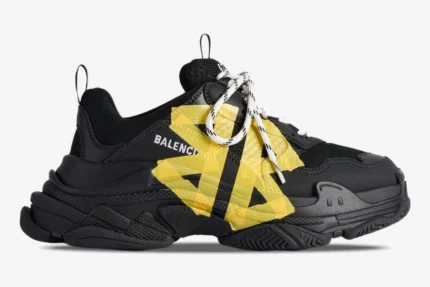
Balenciaga Triple S Tapa Type Black Yellow
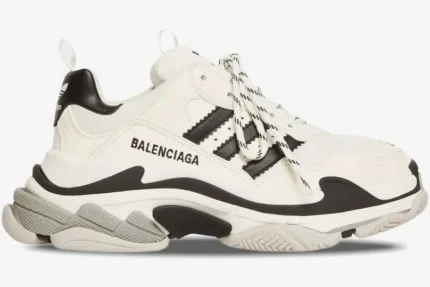
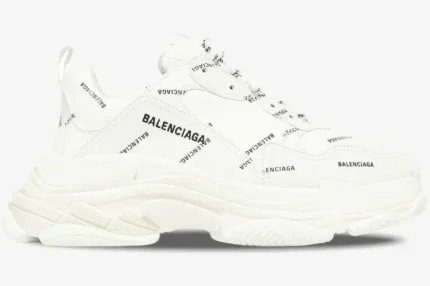
Balenciaga Triple S All-Over Logo Print Sneaker
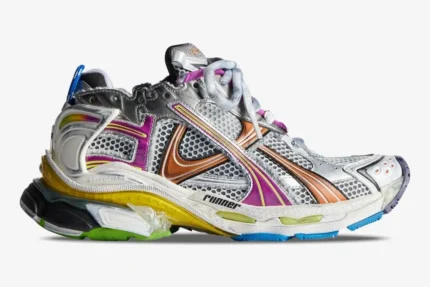
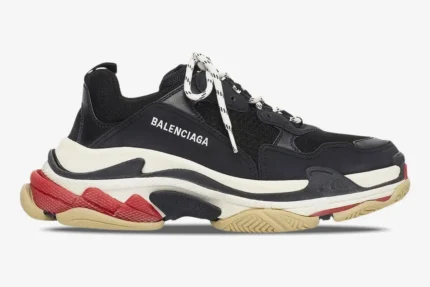
Balenciaga Triple S Black White Red
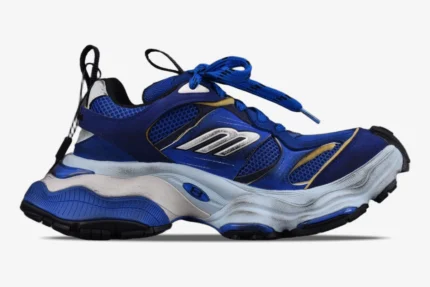
Balenciaga Cargo Sneaker Dark Blue Distressed
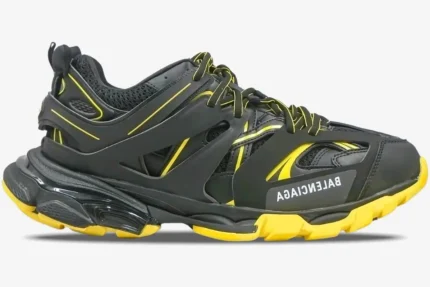
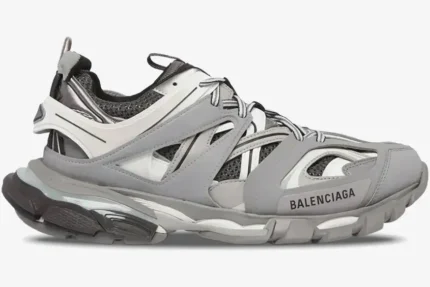
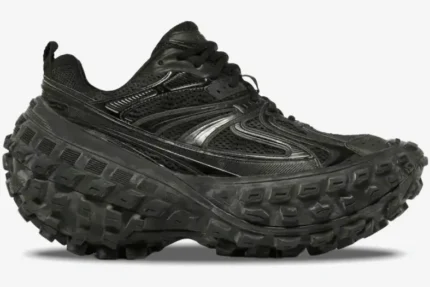
Balenciaga Defender Chunky Sneaker Black
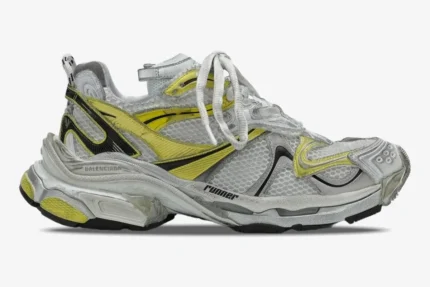
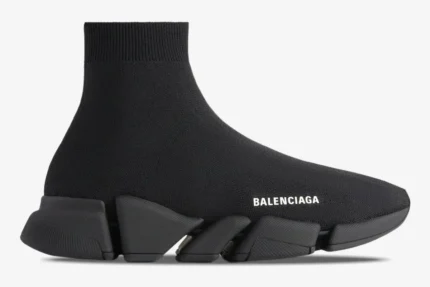
Balenciaga Speed 2.0 Recycled Knit Sneaker in Bl...
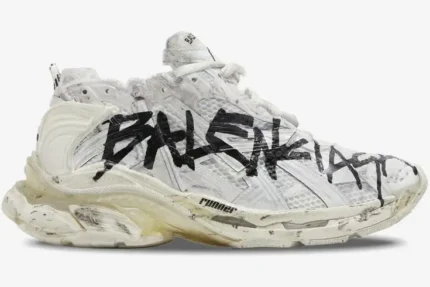
Balenciaga Runner Graffiti White Black
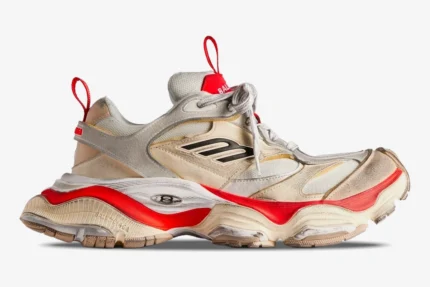
Balenciaga Cargo Worn-Out Beige Red Sneaker
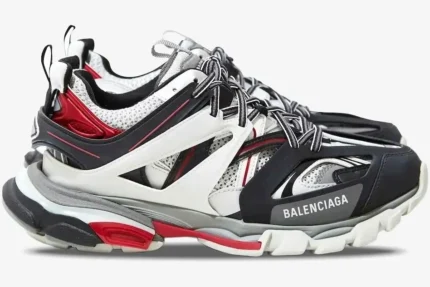
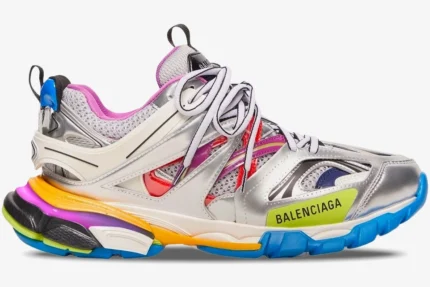
Balenciaga Track Leather Free White Silver Multi
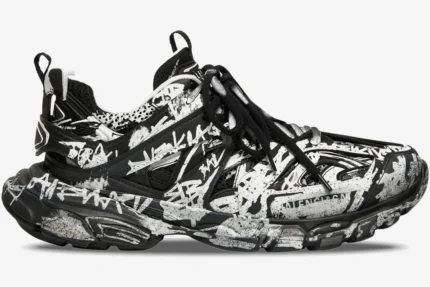
Balenciaga Track White Black Graffiti Print
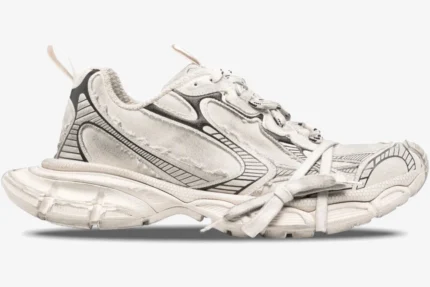
Balenciaga 3XL White / Black Distressed Edition
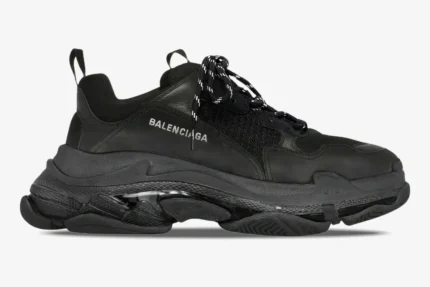
Balenciaga Triple S Clear Sole Black
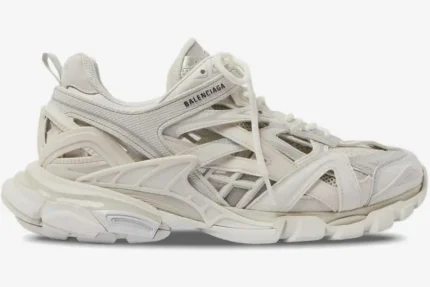
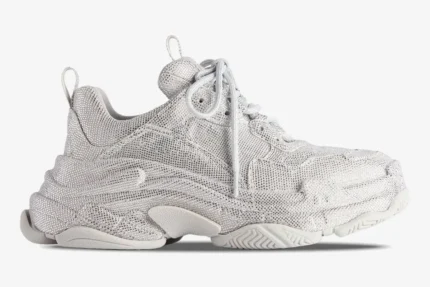
Balenciaga Triple S Rhinestone Silver White
Balenciaga Brand History and Streetwear Legacy
Balenciaga was founded by Cristóbal Balenciaga in Spain in 1917 and later became one of the most influential couture houses in Paris. The house has always been tied to proportion, structure and silhouette, which makes its modern sneaker language feel connected to the brand’s deeper fashion history.
In contemporary footwear, Balenciaga became one of the key names in luxury streetwear. The Demna era reshaped how designer sneakers could look, turning exaggerated volume, irony, distressed finishes and anti-minimal proportions into part of the global fashion conversation.
Balenciaga sneakers include major families such as the Triple S, Speed Trainer, Track, Runner, Defender, 3XL, 6XL and 10XL. These models use oversized soles, technical mesh, sock-knit uppers, molded rubber, worn-in finishes and intentionally bulky shapes to create a footwear identity that is instantly recognizable.
The brand matters because it helped move luxury sneakers away from clean minimalism and toward bolder, stranger and more sculptural design. A Balenciaga sneaker is often built to look exaggerated, heavy, used or awkward on purpose, which is exactly what gives the category its visual power.
For shoppers comparing Balenciaga sneakers, the key details are model, sole shape, material mix, distressing, logo placement, colorway and overall volume. Balenciaga remains relevant because its sneakers turn couture proportion and streetwear disruption into one of the strongest luxury footwear languages in modern fashion.