Air Jordan

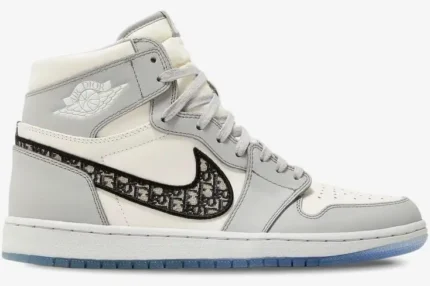
Air Jordan 1 Retro High x Dior Limited Edition
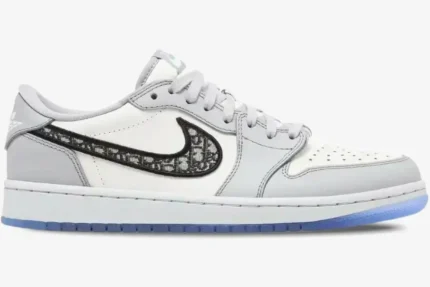
Air Jordan 1 Low Retro x Dior Limited Edition
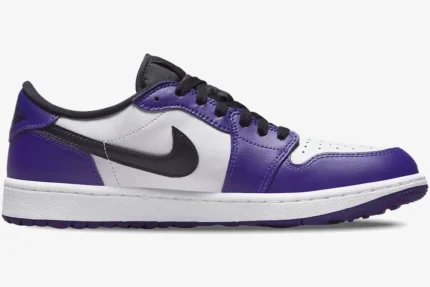


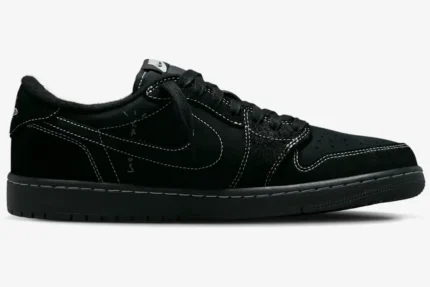
Air Jordan 1 Low OG SP x Travis Scott Velvet Bro...
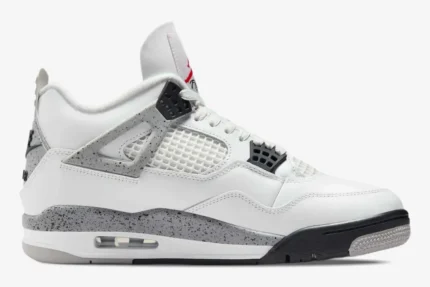

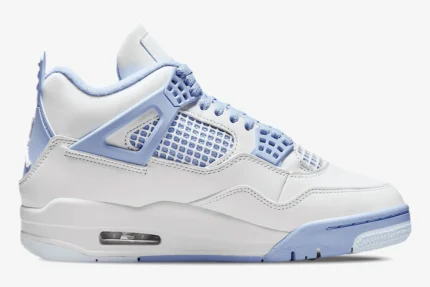


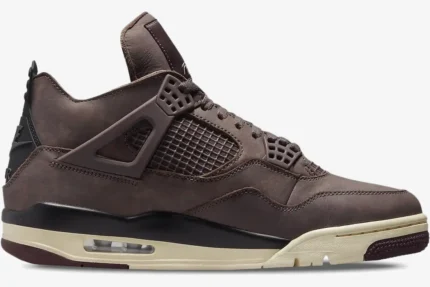

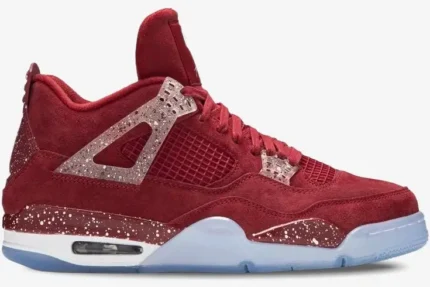
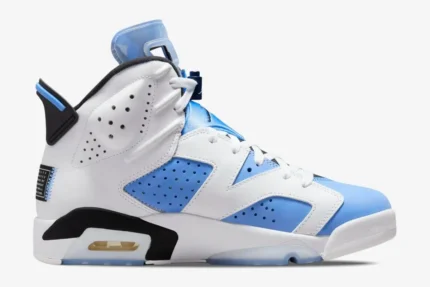
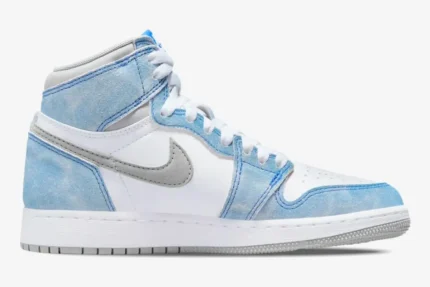
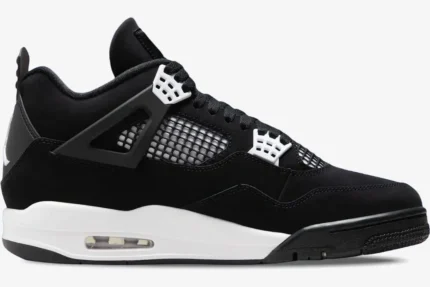
Air Jordan 4 Retro “White Thunder”
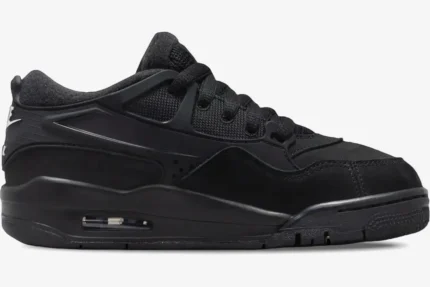
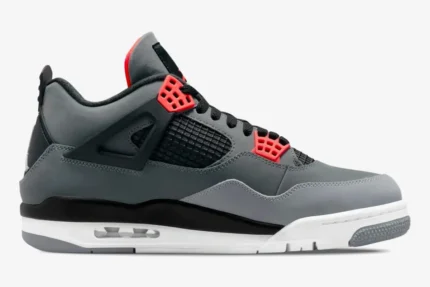
Air Jordan 4 RM Black Cat Remastered
Air Jordan Brand History and Streetwear Legacy
Air Jordan began with Michael Jordan and Nike in the mid-1980s, turning a basketball signature shoe into one of the most influential sneaker lines in modern culture. The Air Jordan 1 introduced a new kind of athlete storytelling, where performance, personality, colorway identity and marketing all worked together.
The brand is built around numbered icons. Jordan 1, 3, 4, 5, 6 and 11 each connect to a different era of Michael Jordan’s career and sneaker history. Wings logos, Jumpman branding, elephant print, visible Air, patent leather, translucent rubber and Bulls-inspired color blocking all form part of the Air Jordan visual language.
Air Jordan also matters beyond basketball. Its retros became release-calendar events, collector pieces and everyday streetwear staples. The line moves easily between sport heritage, hip-hop, fashion collaborations and global sneaker culture.
For shoppers comparing Air Jordan sneakers, the key details are model, colorway, material, release era, branding and cultural context. A Jordan 1 tells the origin story. A Jordan 3 brings elephant print and Tinker Hatfield design. A Jordan 4 carries visible Air and streetwear weight. A Jordan 11 adds patent leather and championship-era identity.
Air Jordan remains relevant because every major model feels connected to both performance history and cultural memory. The brand is not just about sneakers; it is about basketball mythology, design codes and one of the strongest archives in footwear.